Atracciones & Actividades en Surakarta

Actividades, atracciones y tours

Surakarta
Surakarta
Surakarta
Surakarta
At the museum no photos are allowed which is really unfortunate as it was well worth the visit and the guided tour is definitely not to be missed. In the museum there are even Batik made from the Dutch era which depicts stories like Little Red Riding Hood and Snow White!

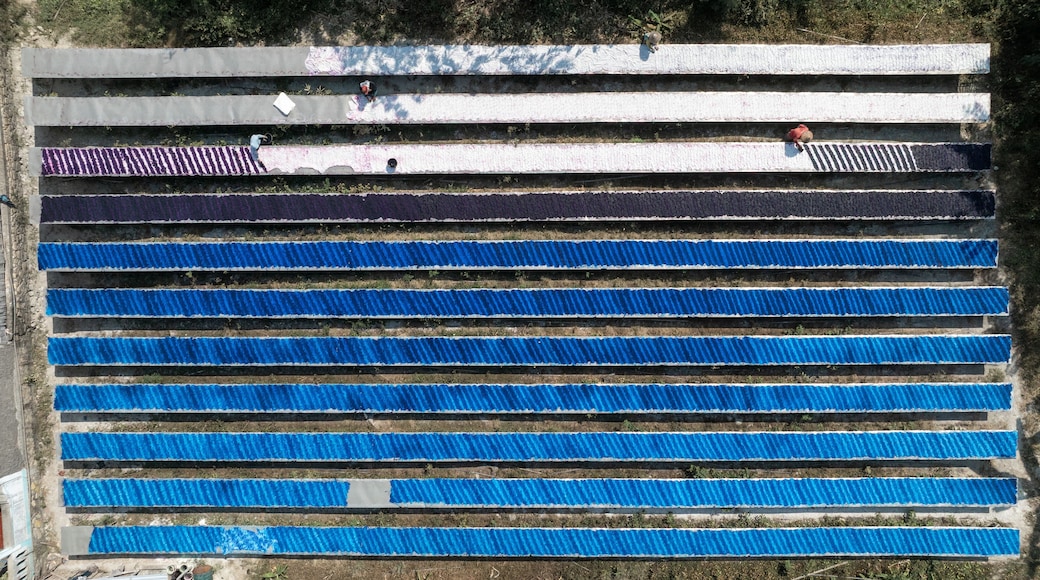
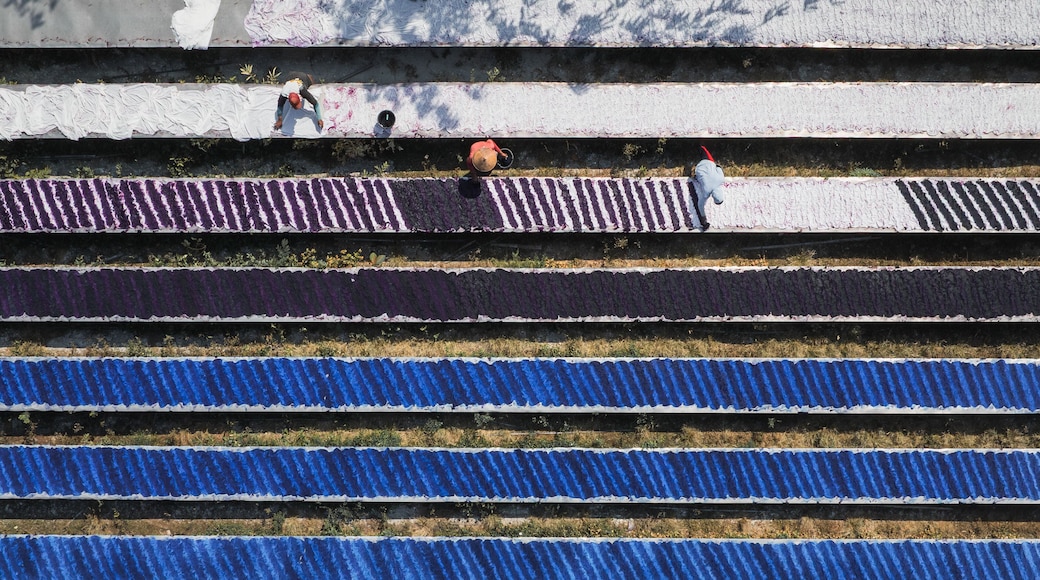
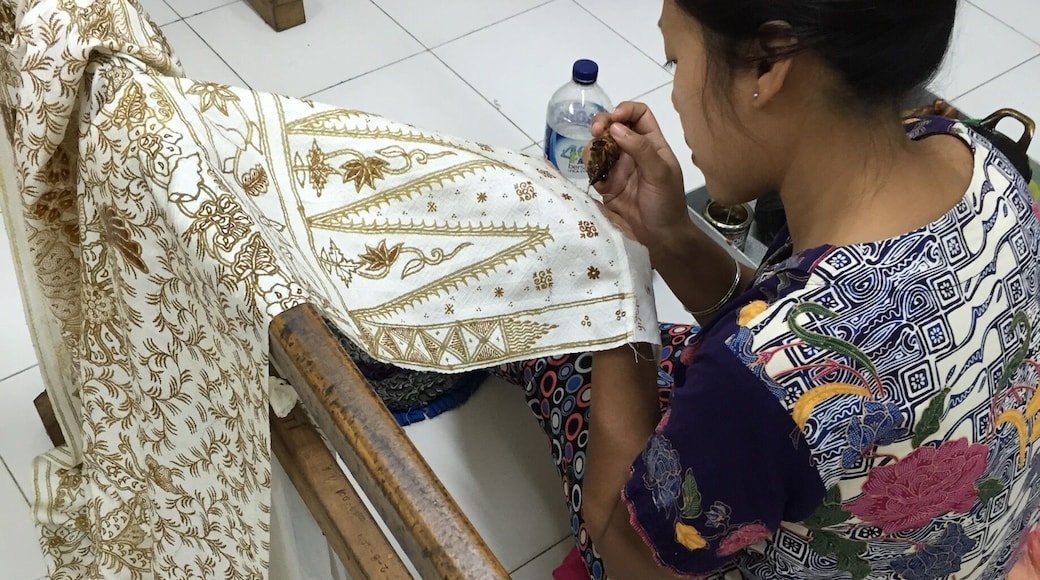
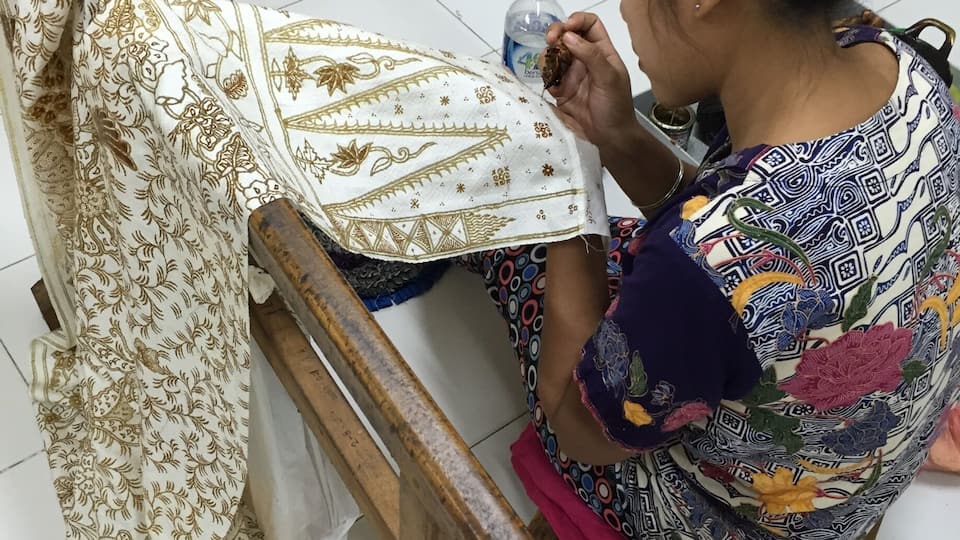
I enjoyed the tour v much and at the end of the tour we were brought to this room where the artisan were working on hand drawn batik.

Below is an excerpt from Wikipedia for anyone interested in learning more about the process of batik making.

Firstly, a cloth is washed, soaked and beaten with a large mallet. Patterns are drawn with pencil and later redrawn using hot wax, usually made from a mixture of paraffin or bees wax, sometimes mixed with plant resins, which functions as a dye-resist. The wax can be applied with a variety of tools. A pen-like instrument called a canting (IPA: [tʃantiŋ], sometimes spelled with old Dutch orthography tjanting) is the most common. A canting is made from a small copper reservoir with a spout on a wooden handle. The reservoir holds the resist which flows through the spout, creating dots and lines as it moves. For larger patterns, a stiff brush may be used. Alternatively, a copper block stamp called a cap (IPA: [tʃap]; old spelling tjap) is used to cover large areas more efficiently.

After the cloth is dry, the resist is removed by scraping or boiling the cloth. The areas treated with resist keep their original color; when the resist is removed the contrast between the dyed and undyed areas forms the pattern. This process is repeated as many times as the number of colors desired.

The most traditional type of batik, called batik tulis (written batik), is drawn using only the canting. The cloth need to be drawn on both sides and dipped in a dye bath three to four times. The whole process may take up to a year; it yields considerably finer patterns than stamped batik.

Source: Wikipedia

Recomendaciones de Surakarta

Si estás por visitar Surakarta, el primer paso al éxito es explorar nuestro sitio. En Expedia tenemos un listado con todas las atracciones, recomendaciones y actividades en Surakarta para que tu viaje sea inolvidable. Ofrecemos todas las opciones de actividades qué hacer con los mejores descuentos, clasificadas se trate de actividades al aire libre, culturales, gratuitas o de otra índole para que sea más sencillo encontrar aquello que te gusta hacer cuando viajas. Una vez que has encontrado las cosas qué hacer en Surakarta y ya has decidido, aprovecha nuestras increíbles promociones y reserva desde tu casa u oficina. Las ofertas que en Expedia ofrecemos para excursiones y paquetes te dejaran con la boca abierta y te permitirán disfrutar y ahorrar al mismo tiempo.

  • find price illustration

    Descubre actividades

    Explora miles de experiencias, desde actividades y atracciones hasta tours de un día y traslados.
  • calendar shield illustration

    Reserva fácilmente

    Evita las filas: reserva entradas en línea para las atracciones principales en unos minutos. Hay cancelación gratuita en muchas actividades.
  • trophy illustration

    Accede a beneficios

    Los socios ahorran un % o más al reservar actividades.


Sitios más populares para visitar

Zonas de Surakarta

At the museum no photos are allowed which is really unfortunate as it was well worth the visit and the guided tour is definitely not to be missed. In the museum there are even Batik made from the Dutch era which depicts stories like Little Red Riding Hood and Snow White!

I enjoyed the tour v much and at the end of the tour we were brought to this room where the artisan were working on hand drawn batik.

Below is an excerpt from Wikipedia for anyone interested in learning more about the process of batik making.

Firstly, a cloth is washed, soaked and beaten with a large mallet. Patterns are drawn with pencil and later redrawn using hot wax, usually made from a mixture of paraffin or bees wax, sometimes mixed with plant resins, which functions as a dye-resist. The wax can be applied with a variety of tools. A pen-like instrument called a canting (IPA: [tʃantiŋ], sometimes spelled with old Dutch orthography tjanting) is the most common. A canting is made from a small copper reservoir with a spout on a wooden handle. The reservoir holds the resist which flows through the spout, creating dots and lines as it moves. For larger patterns, a stiff brush may be used. Alternatively, a copper block stamp called a cap (IPA: [tʃap]; old spelling tjap) is used to cover large areas more efficiently.

After the cloth is dry, the resist is removed by scraping or boiling the cloth. The areas treated with resist keep their original color; when the resist is removed the contrast between the dyed and undyed areas forms the pattern. This process is repeated as many times as the number of colors desired.

The most traditional type of batik, called batik tulis

Centro de la ciudad de Solo

Los museos y el zoológico de Centro de la ciudad de Solo te encantarán. Cuando estés ahí, haz una parada por Solo Paragon Lifestyle Mall (centro comercial) o Parque Keprabon.

Centro de la ciudad de Solo
At the museum no photos are allowed which is really unfortunate as it was well worth the visit and the guided tour is definitely not to be missed. In the museum there are even Batik made from the Dutch era which depicts stories like Little Red Riding Hood and Snow White!

I enjoyed the tour v much and at the end of the tour we were brought to this room where the artisan were working on hand drawn batik.

Below is an excerpt from Wikipedia for anyone interested in learning more about the process of batik making.

Firstly, a cloth is washed, soaked and beaten with a large mallet. Patterns are drawn with pencil and later redrawn using hot wax, usually made from a mixture of paraffin or bees wax, sometimes mixed with plant resins, which functions as a dye-resist. The wax can be applied with a variety of tools. A pen-like instrument called a canting (IPA: [tʃantiŋ], sometimes spelled with old Dutch orthography tjanting) is the most common. A canting is made from a small copper reservoir with a spout on a wooden handle. The reservoir holds the resist which flows through the spout, creating dots and lines as it moves. For larger patterns, a stiff brush may be used. Alternatively, a copper block stamp called a cap (IPA: [tʃap]; old spelling tjap) is used to cover large areas more efficiently.

After the cloth is dry, the resist is removed by scraping or boiling the cloth. The areas treated with resist keep their original color; when the resist is removed the contrast between the dyed and undyed areas forms the pattern. This process is repeated as many times as the number of colors desired.

The most traditional type of batik, called batik tulis

Banjarsari

Cuando andes por Banjarsari, aprovecha para pasar por lugares como Solo Paragon Lifestyle Mall (centro comercial) y Parque de la ciudad Balekambang.

Banjarsari