Chilika Lake: Tours y Actividades
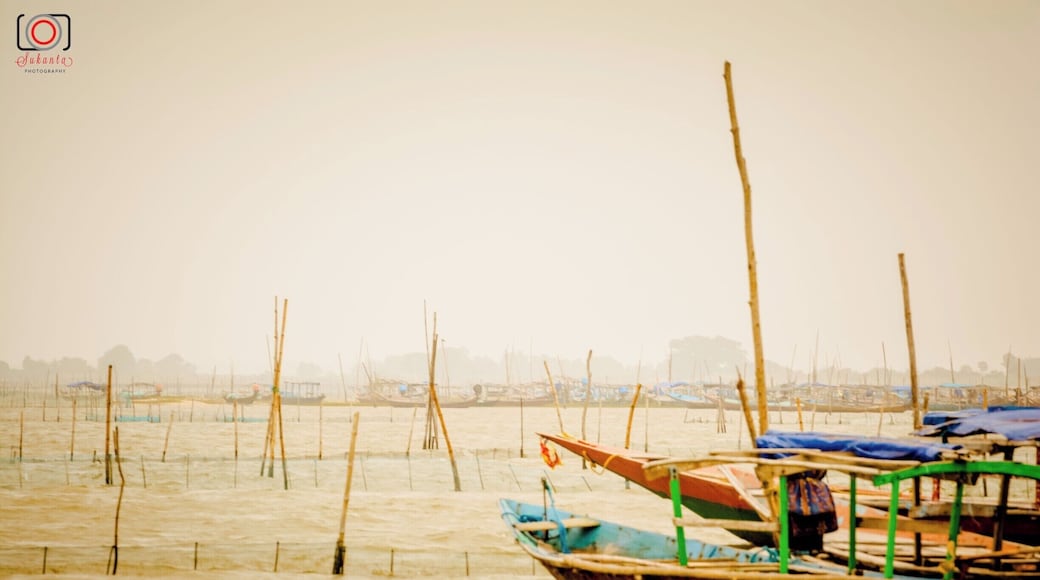
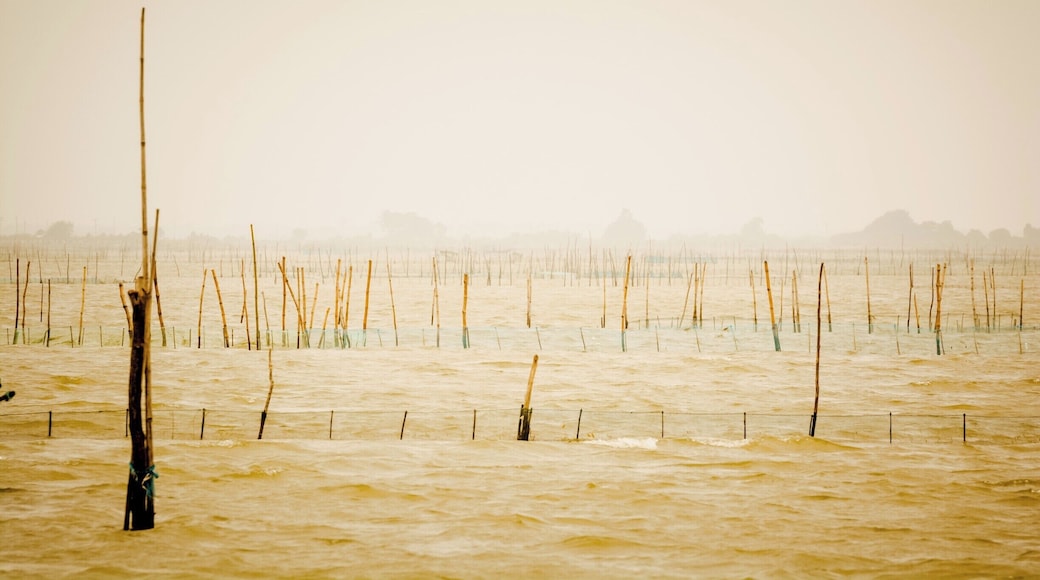
![Chilika lake is a brackish water lagoon, spread over the Puri, Khurda and Ganjam districts of Odisha state on the east coast of India, at the mouth of the Daya River, flowing into the Bay of Bengal, covering an area of over 1,100 km2. It is the largest coastal lagoon in India and the second largest lagoon in the world[3][4][dubious – discuss] after The New Caledonian barrier reef in New Caledonia.
It is the largest wintering ground for migratory birds on the Indian sub-continent. The lake is home to a number of threatened species of plants and animals.
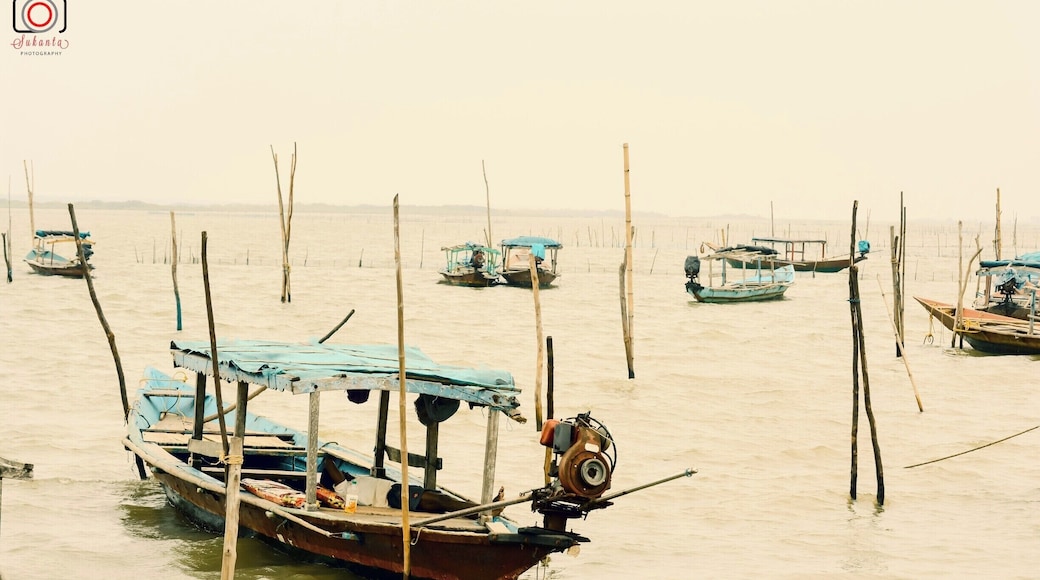
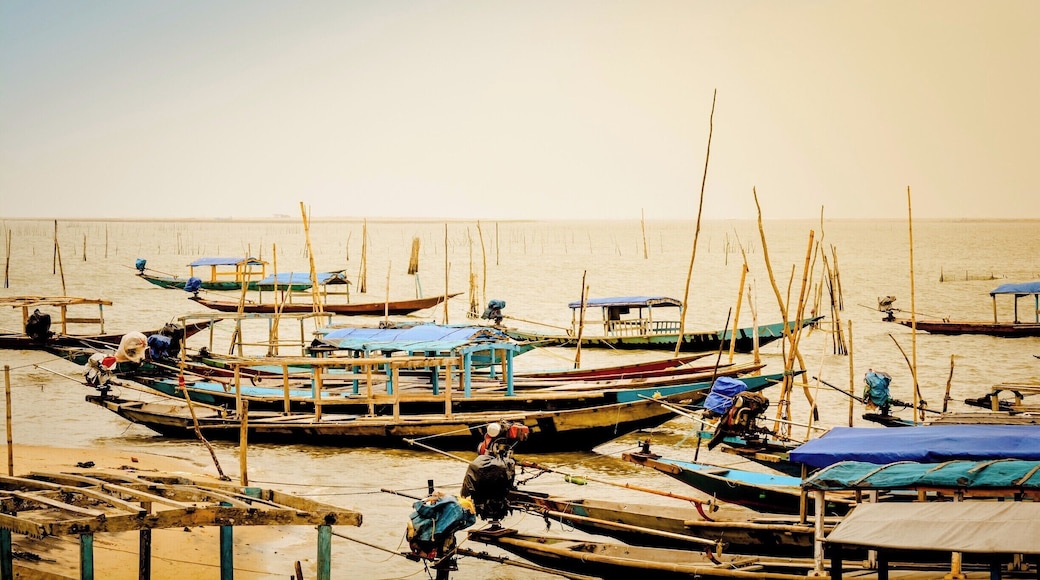
The lake is an ecosystem with large fishery resources. It sustains more than 150,000 fisher–folk living in 132 villages on the shore and islands.
The lagoon hosts over 160 species of birds in the peak migratory season. Birds from as far as the Caspian Sea, Lake Baikal, Aral Sea and other remote parts of Russia, Kirghiz steppes of Mongolia, Central and southeast Asia, Ladakh and Himalayas come here. These birds travel great distances; migratory birds probably follow much longer routes than the straight lines, possibly up to 12,000 km, to reach Chilika Lake.
In 1981, Chilika Lake was designated the first Indian wetland of international importance under the Ramsar Convention.
According to a survey, 45 percent of the birds are terrestrial in nature, 32 percent are waterfowl, and 23 percent are waders. The lagoon is also home to 14 types of raptors. Around 152 rare and endangered Irrawaddy dolphins have also been reported. Plus, the lagoon supports about 37 species of reptiles and amphibians.
The highly productive chilika lagoon eco-system with its rich fishery resources sustains the livelihood for many fisher men who live in and near the Lagoon. The water spread area of the Lagoon ranges between 1165 and 906 km2 during the monsoon and summer respectively. A 32 km long, narrow, outer channel connects the lagoon to the Bay of Bengal, near the village Motto. More recently a new mouth has been opened by CDA which has brought a new lease of life to the lagoon.
Microalgae, marine seaweeds, sea grasses, fishes and crabs also flourish in the brackish water of the Chilika Lagoon. Especially the recovery of sea grass beds in recent years is a welcoming trend which may eventually result in re-colorizations of endangered dugongs.](https://images.trvl-media.com/place/553248621562261891/ef3915b3-f286-46bf-b160-3d523bfb52c8.jpg?impolicy=fcrop&w=1040&h=580&q=mediumHigh)
![Chilika lake is a brackish water lagoon, spread over the Puri, Khurda and Ganjam districts of Odisha state on the east coast of India, at the mouth of the Daya River, flowing into the Bay of Bengal, covering an area of over 1,100 km2. It is the largest coastal lagoon in India and the second largest lagoon in the world[3][4][dubious – discuss] after The New Caledonian barrier reef in New Caledonia.
It is the largest wintering ground for migratory birds on the Indian sub-continent. The lake is home to a number of threatened species of plants and animals.
The lake is an ecosystem with large fishery resources. It sustains more than 150,000 fisher–folk living in 132 villages on the shore and islands.
The lagoon hosts over 160 species of birds in the peak migratory season. Birds from as far as the Caspian Sea, Lake Baikal, Aral Sea and other remote parts of Russia, Kirghiz steppes of Mongolia, Central and southeast Asia, Ladakh and Himalayas come here. These birds travel great distances; migratory birds probably follow much longer routes than the straight lines, possibly up to 12,000 km, to reach Chilika Lake.
In 1981, Chilika Lake was designated the first Indian wetland of international importance under the Ramsar Convention.
According to a survey, 45 percent of the birds are terrestrial in nature, 32 percent are waterfowl, and 23 percent are waders. The lagoon is also home to 14 types of raptors. Around 152 rare and endangered Irrawaddy dolphins have also been reported. Plus, the lagoon supports about 37 species of reptiles and amphibians.
The highly productive chilika lagoon eco-system with its rich fishery resources sustains the livelihood for many fisher men who live in and near the Lagoon. The water spread area of the Lagoon ranges between 1165 and 906 km2 during the monsoon and summer respectively. A 32 km long, narrow, outer channel connects the lagoon to the Bay of Bengal, near the village Motto. More recently a new mouth has been opened by CDA which has brought a new lease of life to the lagoon.
Microalgae, marine seaweeds, sea grasses, fishes and crabs also flourish in the brackish water of the Chilika Lagoon. Especially the recovery of sea grass beds in recent years is a welcoming trend which may eventually result in re-colorizations of endangered dugongs.](https://images.trvl-media.com/place/553248621562261891/ef3915b3-f286-46bf-b160-3d523bfb52c8.jpg?impolicy=fcrop&w=1040&h=580&q=mediumHigh)

![Chilika lake is a brackish water lagoon, spread over the Puri, Khurda and Ganjam districts of Odisha state on the east coast of India, at the mouth of the Daya River, flowing into the Bay of Bengal, covering an area of over 1,100 km2. It is the largest coastal lagoon in India and the second largest lagoon in the world[3][4][dubious – discuss] after The New Caledonian barrier reef in New Caledonia.
It is the largest wintering ground for migratory birds on the Indian sub-continent. The lake is home to a number of threatened species of plants and animals.
The lake is an ecosystem with large fishery resources. It sustains more than 150,000 fisher–folk living in 132 villages on the shore and islands.
The lagoon hosts over 160 species of birds in the peak migratory season. Birds from as far as the Caspian Sea, Lake Baikal, Aral Sea and other remote parts of Russia, Kirghiz steppes of Mongolia, Central and southeast Asia, Ladakh and Himalayas come here. These birds travel great distances; migratory birds probably follow much longer routes than the straight lines, possibly up to 12,000 km, to reach Chilika Lake.
In 1981, Chilika Lake was designated the first Indian wetland of international importance under the Ramsar Convention.
According to a survey, 45 percent of the birds are terrestrial in nature, 32 percent are waterfowl, and 23 percent are waders. The lagoon is also home to 14 types of raptors. Around 152 rare and endangered Irrawaddy dolphins have also been reported. Plus, the lagoon supports about 37 species of reptiles and amphibians.
The highly productive chilika lagoon eco-system with its rich fishery resources sustains the livelihood for many fisher men who live in and near the Lagoon. The water spread area of the Lagoon ranges between 1165 and 906 km2 during the monsoon and summer respectively. A 32 km long, narrow, outer channel connects the lagoon to the Bay of Bengal, near the village Motto. More recently a new mouth has been opened by CDA which has brought a new lease of life to the lagoon.
Microalgae, marine seaweeds, sea grasses, fishes and crabs also flourish in the brackish water of the Chilika Lagoon. Especially the recovery of sea grass beds in recent years is a welcoming trend which may eventually result in re-colorizations of endangered dugongs.](https://images.trvl-media.com/place/553248621562261891/47918477-5cc7-4944-b0a3-e45d362e4994.jpg?impolicy=fcrop&w=1040&h=580&q=mediumHigh)
![Chilika lake is a brackish water lagoon, spread over the Puri, Khurda and Ganjam districts of Odisha state on the east coast of India, at the mouth of the Daya River, flowing into the Bay of Bengal, covering an area of over 1,100 km2. It is the largest coastal lagoon in India and the second largest lagoon in the world[3][4][dubious – discuss] after The New Caledonian barrier reef in New Caledonia.
It is the largest wintering ground for migratory birds on the Indian sub-continent. The lake is home to a number of threatened species of plants and animals.
The lake is an ecosystem with large fishery resources. It sustains more than 150,000 fisher–folk living in 132 villages on the shore and islands.
The lagoon hosts over 160 species of birds in the peak migratory season. Birds from as far as the Caspian Sea, Lake Baikal, Aral Sea and other remote parts of Russia, Kirghiz steppes of Mongolia, Central and southeast Asia, Ladakh and Himalayas come here. These birds travel great distances; migratory birds probably follow much longer routes than the straight lines, possibly up to 12,000 km, to reach Chilika Lake.
In 1981, Chilika Lake was designated the first Indian wetland of international importance under the Ramsar Convention.
According to a survey, 45 percent of the birds are terrestrial in nature, 32 percent are waterfowl, and 23 percent are waders. The lagoon is also home to 14 types of raptors. Around 152 rare and endangered Irrawaddy dolphins have also been reported. Plus, the lagoon supports about 37 species of reptiles and amphibians.
The highly productive chilika lagoon eco-system with its rich fishery resources sustains the livelihood for many fisher men who live in and near the Lagoon. The water spread area of the Lagoon ranges between 1165 and 906 km2 during the monsoon and summer respectively. A 32 km long, narrow, outer channel connects the lagoon to the Bay of Bengal, near the village Motto. More recently a new mouth has been opened by CDA which has brought a new lease of life to the lagoon.
Microalgae, marine seaweeds, sea grasses, fishes and crabs also flourish in the brackish water of the Chilika Lagoon. Especially the recovery of sea grass beds in recent years is a welcoming trend which may eventually result in re-colorizations of endangered dugongs.](https://images.trvl-media.com/place/553248621562261891/be26028a-d4c3-45b1-a6b2-96b08f902d20.jpg?impolicy=fcrop&w=1040&h=580&q=mediumHigh)
Visita Chilika Lake
Sitios más populares para visitar
Nalabana Bird Sanctuary
Vive un momento inolvidable en Nalabana Bird Sanctuary cuando viajes a Tangi.
Templo Jagannath
Una vez que visites Templo Jagannath, guarda tiempo para conocer más atracciones de Puri. Esta zona te invita a nadar en sus playas.
Vimala Temple
Una vez que visites Vimala Temple, guarda tiempo para conocer más atracciones de Puri. Esta zona te invita a nadar en sus playas.
Narendra Sagar (tanque sagrado)
Disfruta de la vida al aire libre en Narendra Sagar (tanque sagrado), un lugar de Puri ideal para conectarte con la naturaleza. Esta zona te invita a nadar en sus playas.
Sudarshan Crafts Museum
Pasa un día observando las exhibiciones en Sudarshan Crafts Museum en Puri. Aquí, podrás contemplar sus templos y maravillarte con sus fascinantes amaneceres.
Vishnu Temple
Una vez que visites Vishnu Temple, guarda tiempo para conocer más atracciones de Puri. Esta zona te invita a nadar en sus playas.
Ofertas para los mejores hoteles

Swosti Chilika Resort

Sterling Puri

Hello by Ananya

Taj Puri Resort & Spa, Odisha

Swosti Premium Beach Resorts Puri

Puri Hotel Manjulata Residency

Fortune Beachfront, Puri - Member ITC Hotels' Group

MAYFAIR Heritage, Puri

Hotel MJR - Free Pickup and Drop Temple, Sea Beach & Puri Railway Station
Explora el mundo con Expedia
- Vacaciones y escapadas similares a Chilika Lake
- Hoteles cerca de otras atracciones
- Últimas tendencias en Expedia
Últimas tendencias en Expedia
- Cabañas Parras de la Fuente
- SpringHill Suites Tempe at Arizona Mills Mall
- Hoteles haciendas Tepoztlán
- Hoteles cerca de Monumento a la Patria
- Hoteles San Juan
- Durango Casino & Resort
- Hoteles Oberoi Hotels & Resorts en Reserva de tigres de Sariska
- Hoteles para excursiones en Nilgiri
- Hotel De La Parra
- Hoteles Independent en Santuario de vida silvestre Sonanadi
- Hoteles Bhitarkanika National Park
- Casa Bellamar
- Hotel Suites Costa de Oro
- Hoteles 2 Estrellas en Reserva de tigres de Sariska
- Castillo de Arena by NAS