
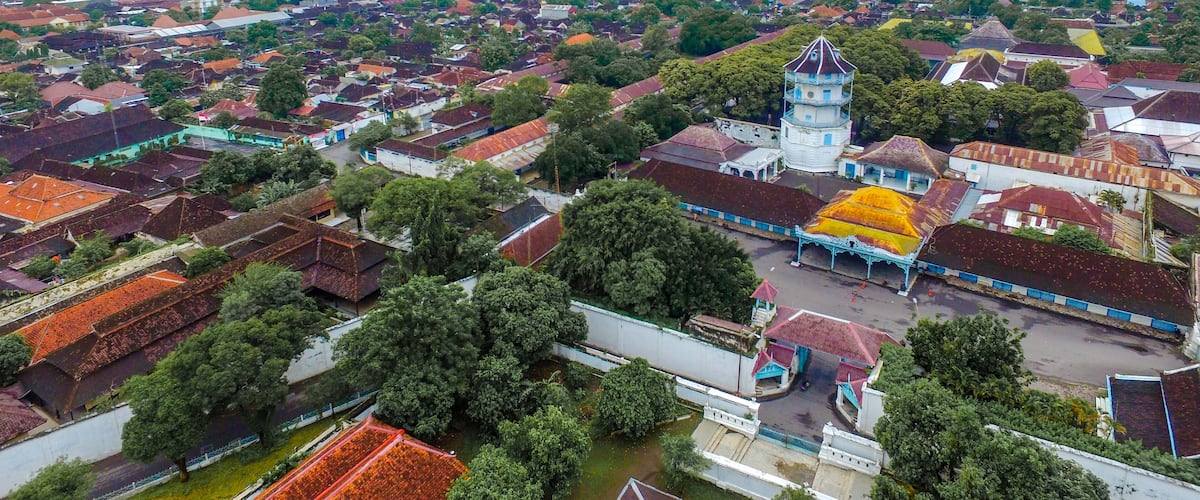
Encuentra Hoteles familiares en Surakarta
 Anticípate a los cambios de planesReserva hoteles con cancelación gratis.
 Elige tu opción idealBusca entre casi un millón de propiedades en el mundo.
Hoteles familiares en Surakarta. Ve la disponibilidad:
Mañana
Próximo fin de semana
En dos semanas
Nuestra selección de hoteles para familias en Surakarta



9.0 de 10, Magnífico, (9 opiniones)
“Stunning gardens surround the rooms. A little slice of paradise just outside the city.”

Thomas
El precio actual es de $500 MXN
$613 MXN en total
impuestos y cargos incluidos
31 may. - 1 jun.


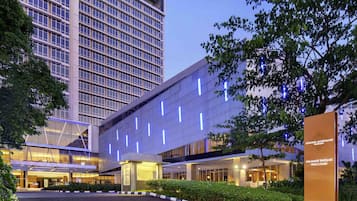
8.6 de 10, Excelente, (81 opiniones)
“We arrived late and ordered room service dinner. Food was great, staff super helpful and friendly. Breakfast buffet also excellent. Enjoyed our short stay and will stay here again next trip to Solo.”
Jordan
El precio actual es de $674 MXN
$816 MXN en total
impuestos y cargos incluidos
16 jun. - 17 jun.


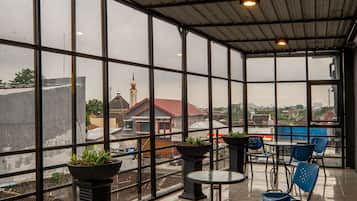

El precio actual es de $234 MXN
$286 MXN en total
impuestos y cargos incluidos
8 jun. - 9 jun.

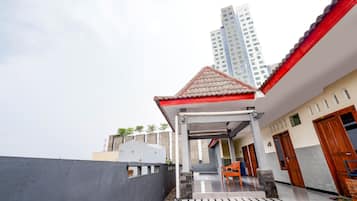


10.0 de 10, Excepcional, (1 opinión)
“Nice”
Khaled
El precio actual es de $109 MXN
$138 MXN en total
impuestos y cargos incluidos
10 jun. - 11 jun.



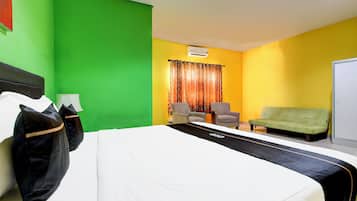
Hotel O Jalan Slamet Riyadi Near Bandara Adi Soemarmo Formerly Amanah Sejahtera
Hotel O Jalan Slamet Riyadi Near Bandara Adi Soemarmo Formerly Amanah SejahteraNgemplak
El precio actual es de $93 MXN
$118 MXN en total
impuestos y cargos incluidos
1 jun. - 2 jun.


9.0 de 10, Magnífico, (11 opiniones)
“Staff were courteous, breakfast options are plenty”
Alamsyah
El precio actual es de $679 MXN
$833 MXN en total
impuestos y cargos incluidos
1 jun. - 2 jun.


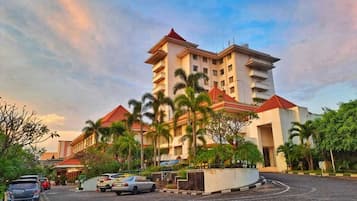
The Alana Hotel and Convention Center - Solo by Aston
The Alana Hotel and Convention Center - Solo by AstonColomadu
8.2 de 10, Muy bueno, (62 opiniones)
El precio actual es de $776 MXN
$971 MXN en total
impuestos y cargos incluidos
13 jun. - 14 jun.


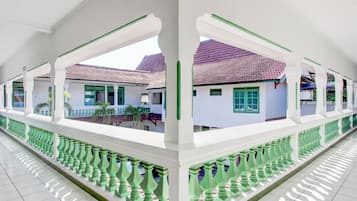
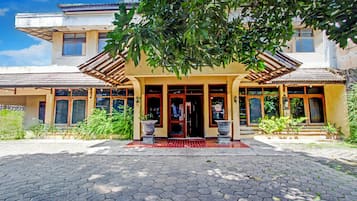
7.2 de 10, Bueno, (24 opiniones)
El precio actual es de $613 MXN
$752 MXN en total
impuestos y cargos incluidos
7 jun. - 8 jun.





Precio más bajo por noche encontrado en las últimas 24 horas, con base en una estancia de 1 noche para 2 adultos. Los precios y la disponibilidad están sujetos a cambios. Aplican términos adicionales.
Hoteles para familias con desayuno incluido en Surakarta
9.0 de 10, Magnífico, (9)
El precio actual es de $500 MXN
$613 MXN en total
impuestos y cargos incluidos
31 may. - 1 jun.

Hoteles para familias con alberca en Surakarta
8.6 de 10, Excelente, (81)
El precio actual es de $674 MXN
$816 MXN en total
impuestos y cargos incluidos
16 jun. - 17 jun.
Precio más bajo por noche encontrado en las últimas 24 horas, con base en una estancia de 1 noche para 2 adultos. Los precios y la disponibilidad están sujetos a cambios. Aplican términos adicionales.